Playbook
content engineering
how i actually do content with AI
the problem with AI content isn't that it sounds like AI. it's that the person using it has nothing specific to say. AI is a surface. it reflects whatever taste is behind it. no taste, no signal to reflect.
you can't automate something you can't articulate. i know because i tried. i kept expecting the model to figure out what i wanted. it doesn't. it produces the average of your vague instruction, which is always mediocre.
automation isn't magic. it's knowing a process so well you can explain it to a machine.
what changed: i started treating AI like a new hire, not a magic box. you wouldn't hand a new hire a blank task and expect brilliance. you'd give them your best examples, your format rules, what 'good' looks like in your context. AI needs exactly that.
the foundation
do it by hand first.
every workflow that's actually worked for me started with doing the task manually enough times to describe what 'good' looks like. not vaguely. precisely. the sequence, the edge cases, the things you'd never say, the things that always land.
when i started ghostwriting, i wasn't using AI. i was learning what made a Karthik post a Karthik post. the opening structure, where the punchline landed, how much context was enough, which words he'd never use. that manual work was the data. AI just runs the data later.
skip step one and you get slop. the prompt is only as good as your understanding of what you're trying to produce. if you can't tell a human what 'good' looks like, you can't tell the model either.
lesson one
imitate before you innovate.
the first time AI actually worked well for me was on a ghostwriting gig. we were running LinkedIn and X for a founder. our operating theory was simple: making things work on the internet is mostly copying what already works, then adding your own spice.
i found viral posts from similar profiles outside India and studied the structure, not the content. pacing, progression, how they opened, how they closed. then i took one of those posts to ChatGPT with a single instruction: understand why this works, apply that structure to my idea.
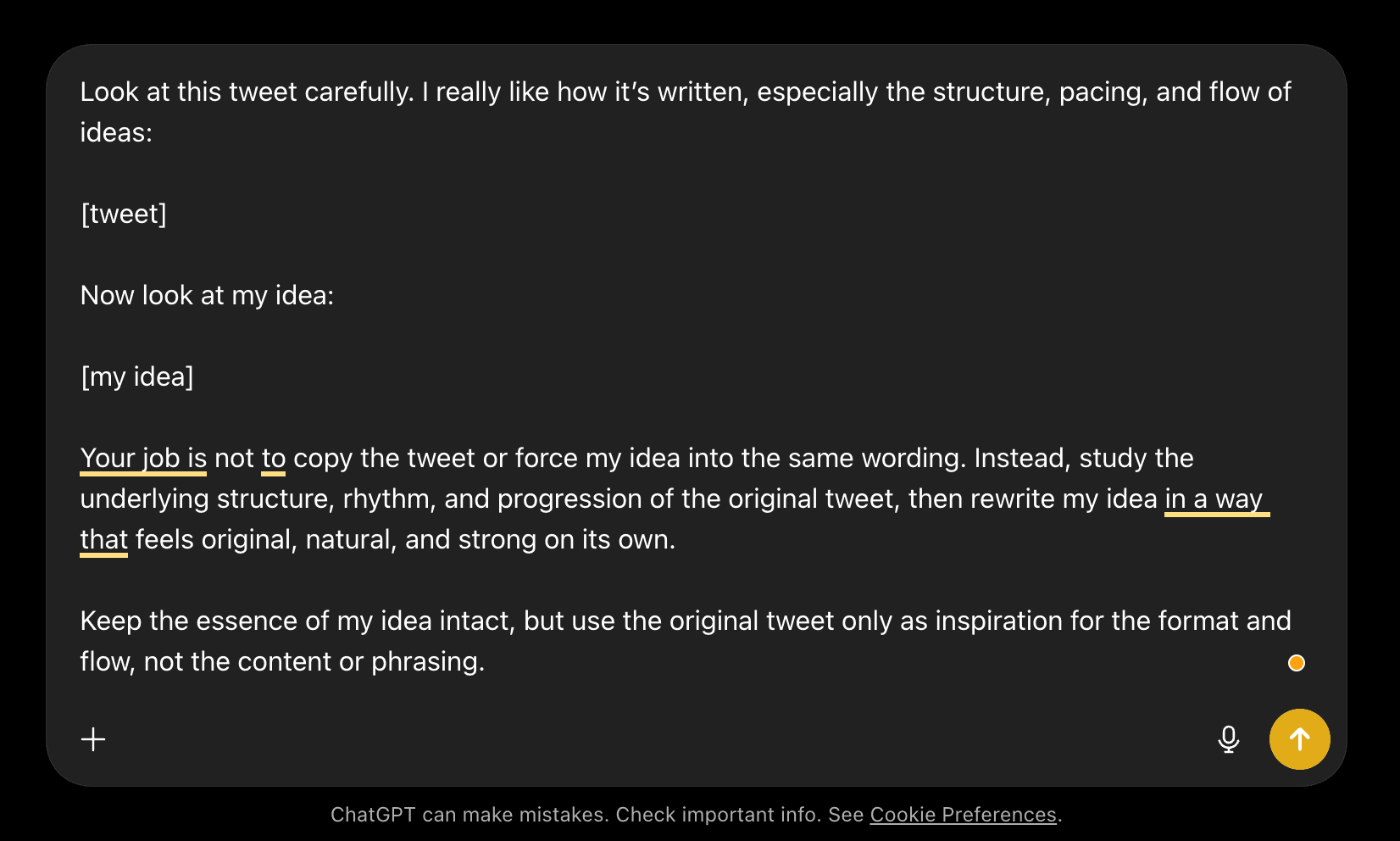
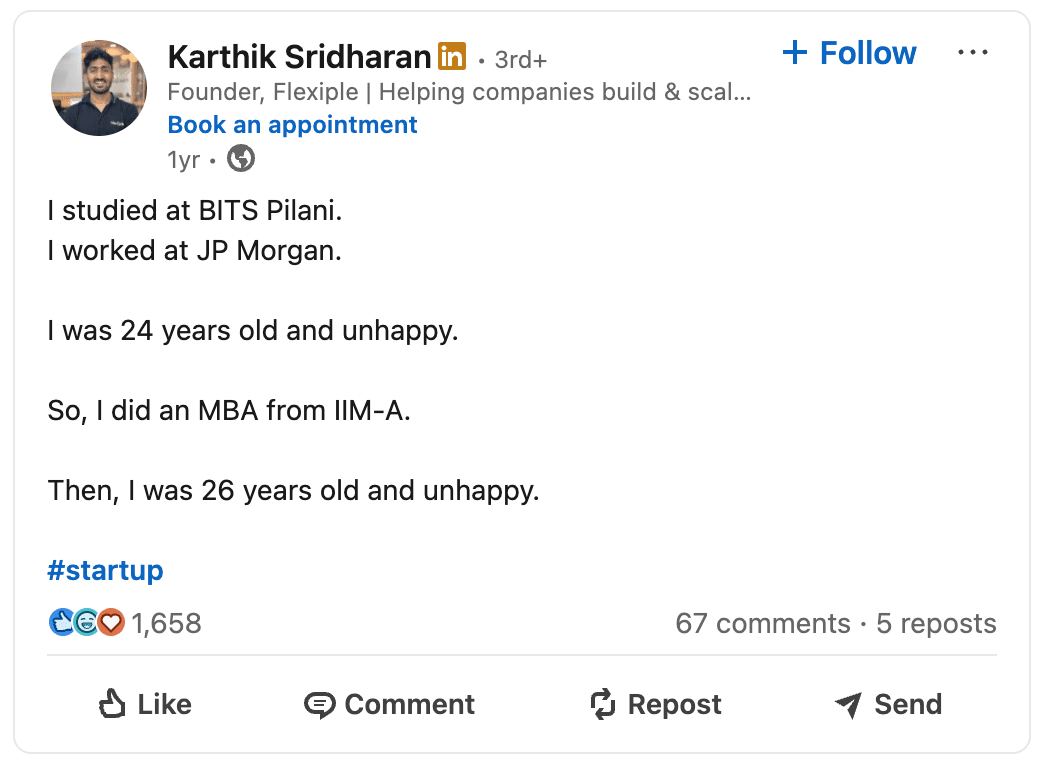
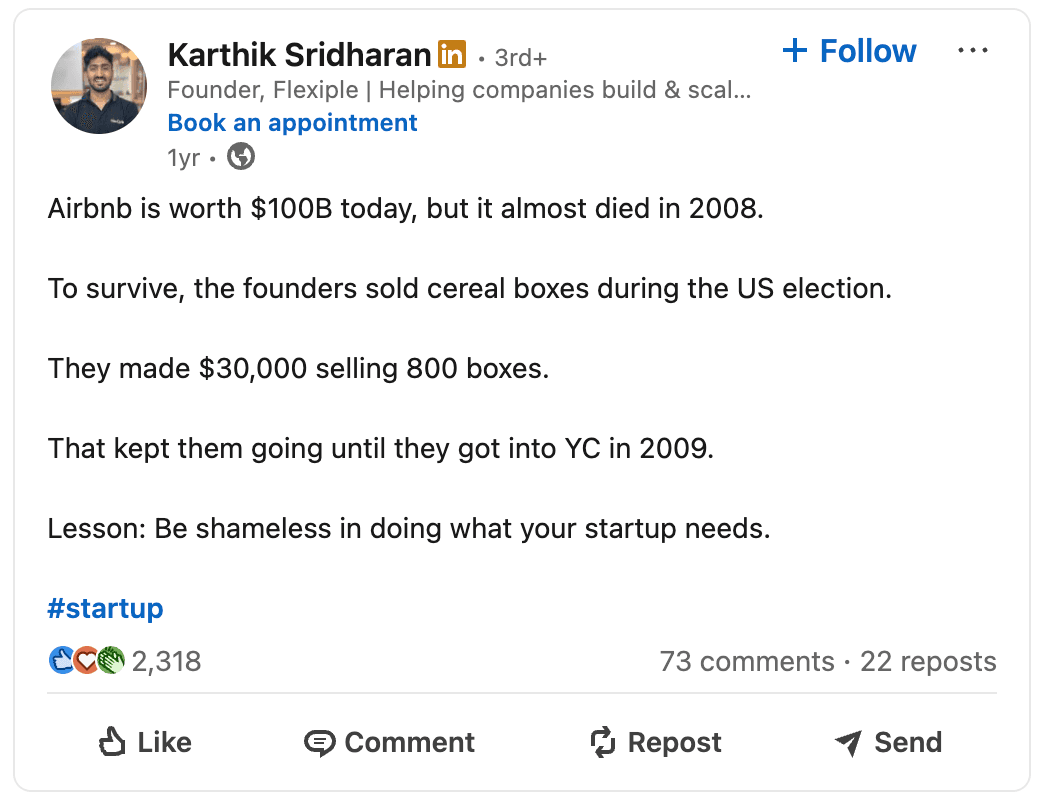
it worked because the instruction was grounded in a real process i'd studied. not "write like this person." "understand why this works." imitation of structure is learning. imitation of content is plagiarism. structure first, not vibes.
lesson two
a skill is your process made legible.
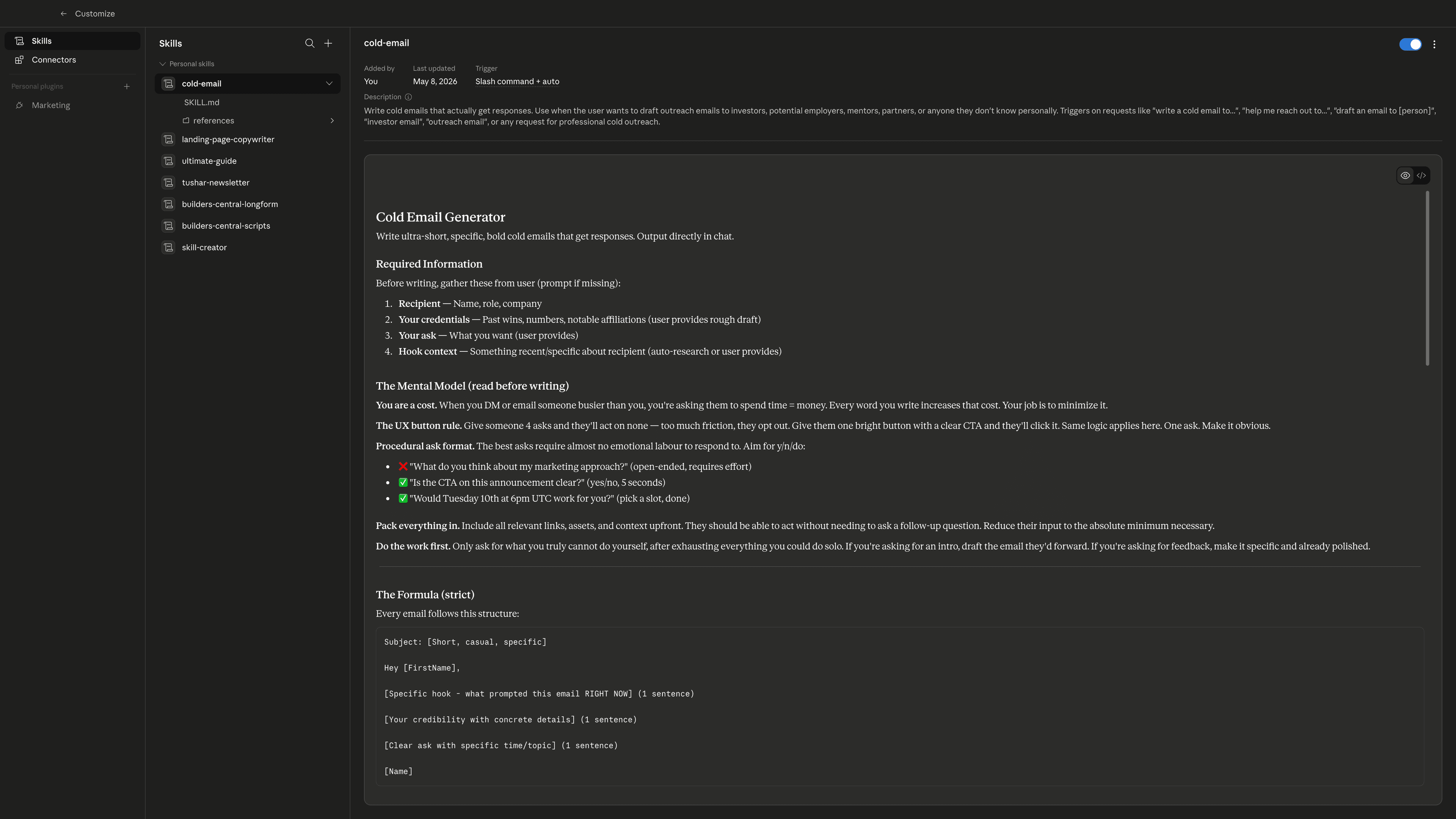
a skill is two files. one tells AI what to do: the role, the rules, the voice, the process, the constraints. one shows it what good looks like: real examples, the shape of what you want.
the difference between a prompt and a skill is the same difference between a task and a workflow. a prompt you write once and throw away. a skill you refine and reuse. it's your working style written down so a machine can copy the pattern.
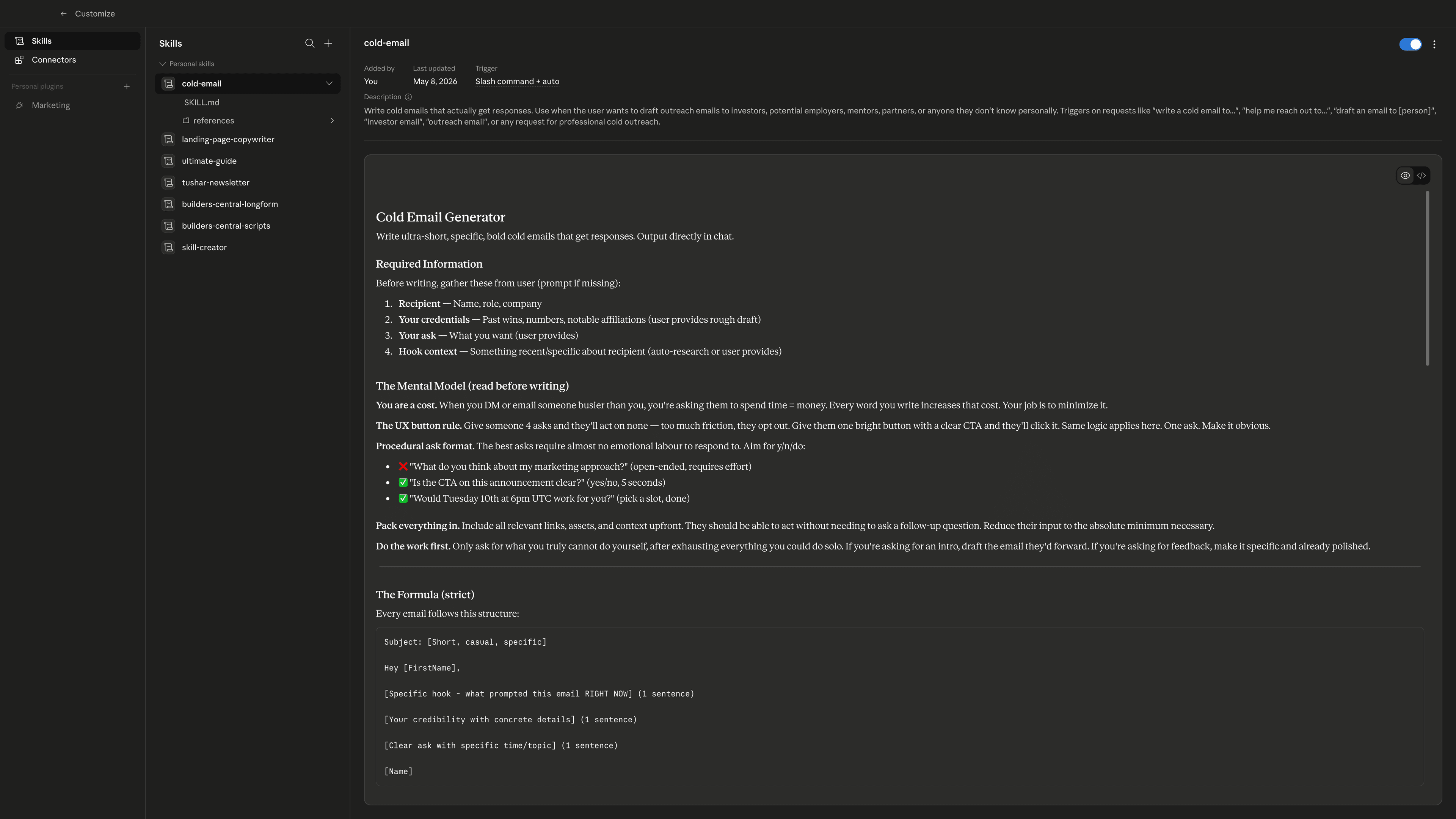
building a skill is just answering: what would i tell a new hire on day one? the role, the rules, the examples of 'good', the anti-examples of what never to do. that's the whole thing.
lesson three
references change everything.
add references and the output changes completely. the model stops guessing and starts pattern-matching against something real. it knows what you actually want instead of inventing something adjacent to it.
this is also why "make it sound more human" never works. no destination. "make it sound like this tweet" gives the model something to match against.
what goes in a good reference set
- -5-10 examples of what good looks like in your voice
- -3-5 anti-examples. what to avoid matters as much as what to aim for
- -format rules: length, structure, what never to do
- -voice markers: specific words you use, how you open, rhythm patterns
three years of using AI, this pattern has held every time. people skip references and blame the model. the model isn't guessing because it's limited. it's guessing because you gave it nothing specific to match.
lesson four
context is architecture, not a toggle.
not "just use Projects."
a context window is a desk. some things live on the desk permanently. some things you bring out for each session. the split matters. dump everything into the system prompt and it gets diluted. start fresh every time and you rebuild from nothing.
the first 100k tokens in a conversation are usually the sharpest. pile in more and focus spreads. the context you set up becomes the quality floor for everything that follows. this applies to Claude Projects, ChatGPT custom GPTs, Perplexity Spaces. same idea, different wrapper.
where people fail
the three mistakes.
all common. all recoverable. all invisible until you know what to look for.
what this looks like
three things running on this system.
Builders Central
230K followers, millions of views. most of those videos were written by AI running off my references, my structure, my examples. the skill encodes how i think about a scriptwriting brief. AI runs it. i edit. not replacing me. using me as the reference.
Bangers Only
once the content process was articulate enough to describe precisely, it became possible to build it into a product. the prompt layers, the UX decisions, the way it turns rough thoughts into posts that sound like you wrote them at your best.
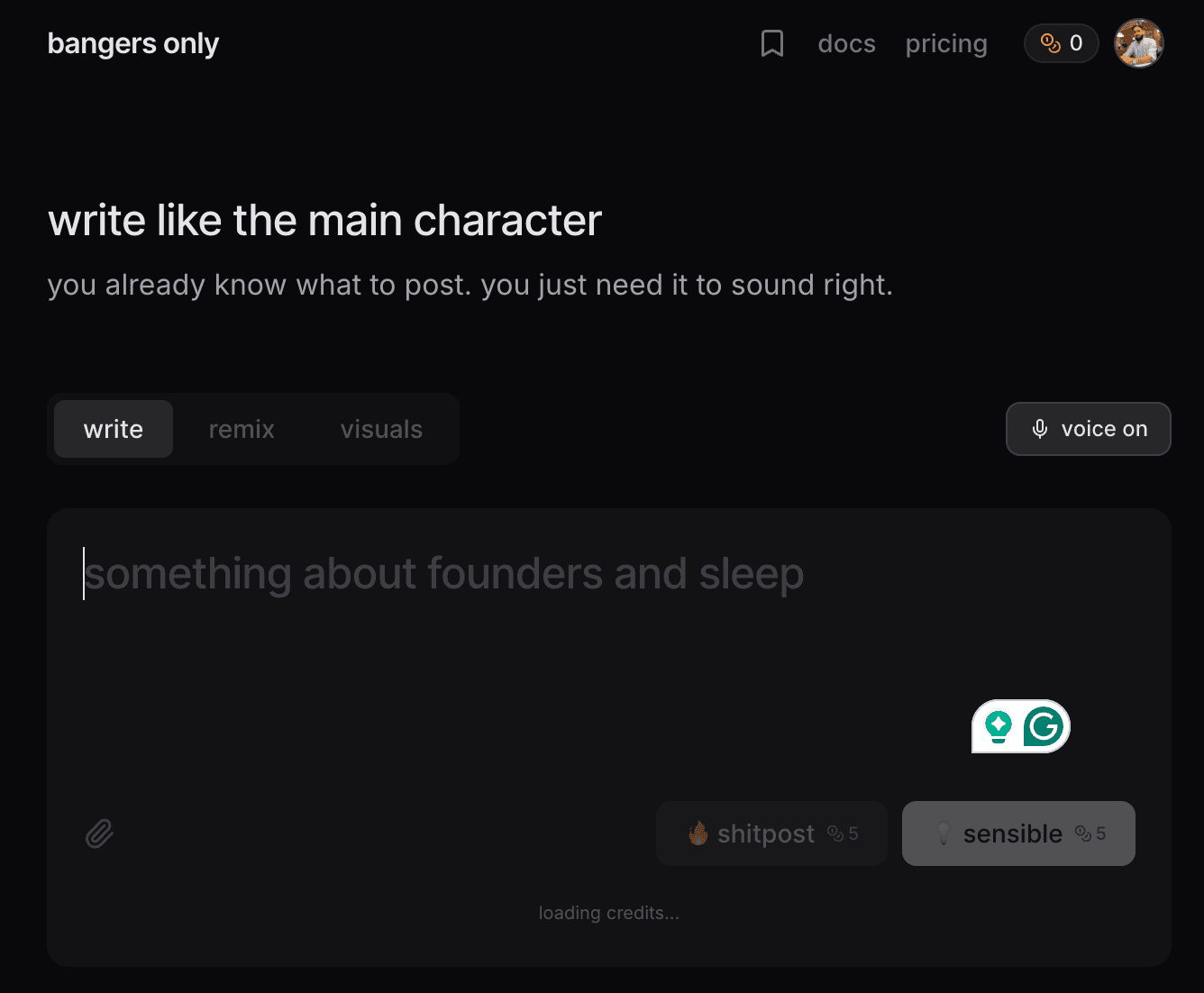
full architecture writeup: read on GitHub.
The launch video
the Bangers Only launch video, 25 seconds animated, built with Remotion, Claude Code, and Codex. no After Effects, no Premiere. a description of scenes in plain English. Claude Code wrote 1700 lines of React across four files. when video is code, you iterate on it like code. turns out that's very different from dragging keyframes.
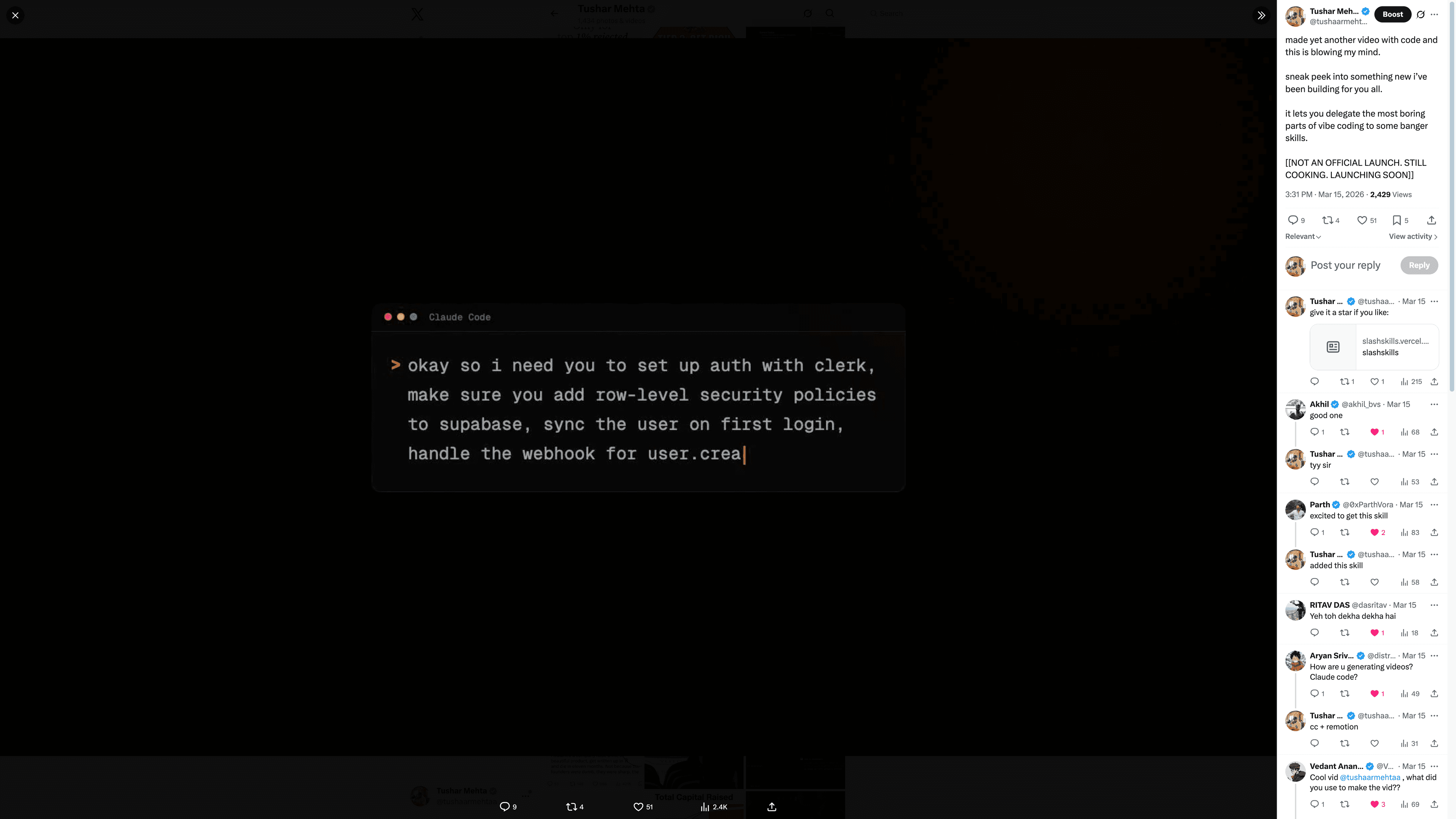
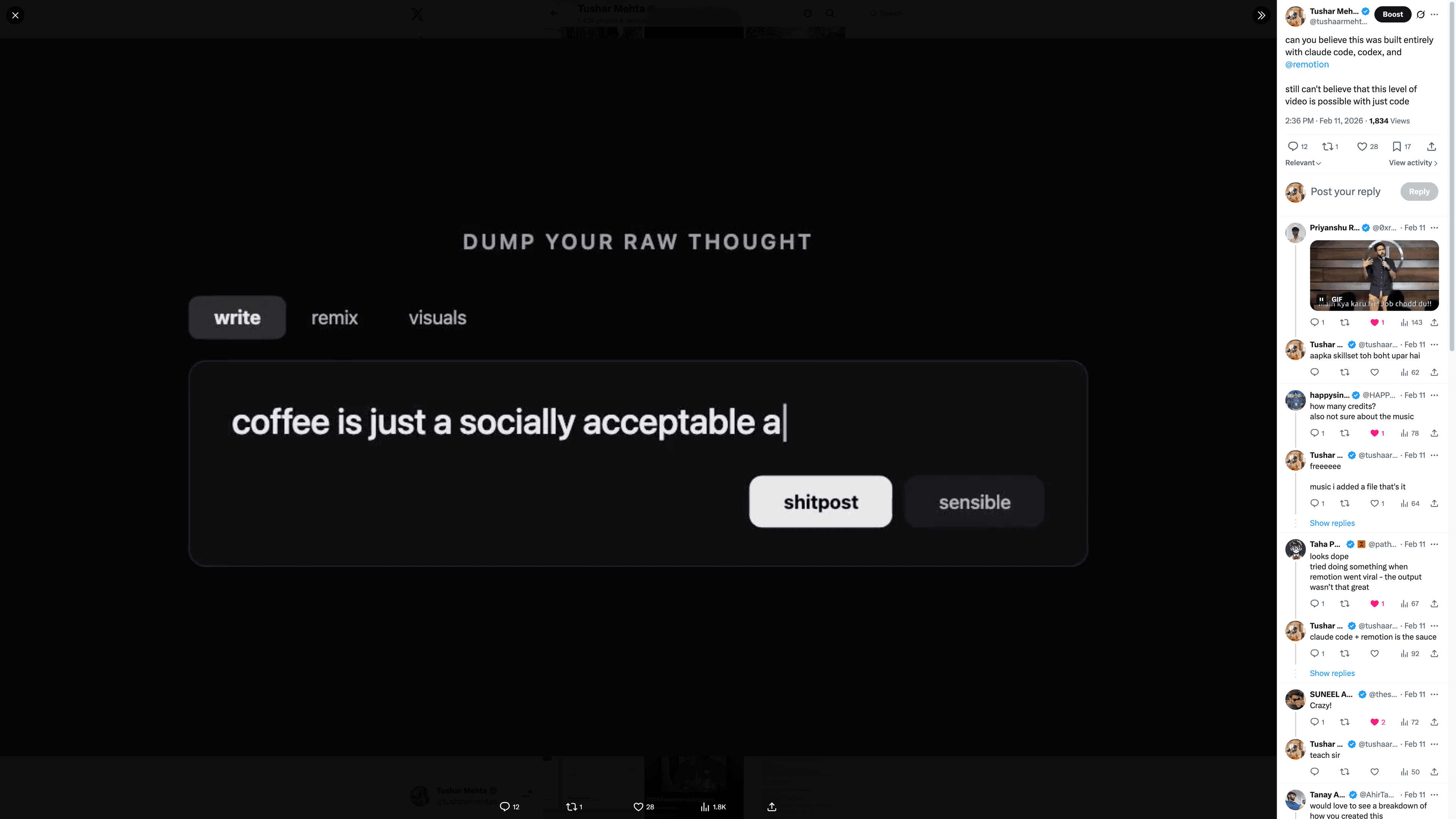
full process: Remotion + Claude Code thread.
The skillset
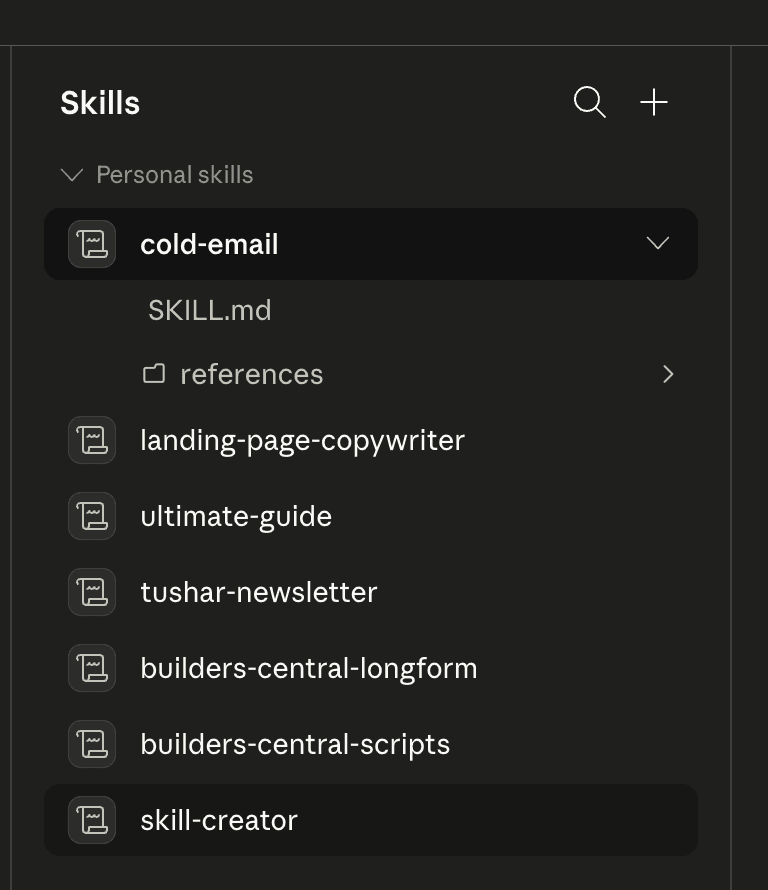
cold email, scriptwriting, tweets, newsletters, and more. they live at slashskills.vercel.app. literally me writing down how i think so AI can copy the pattern.
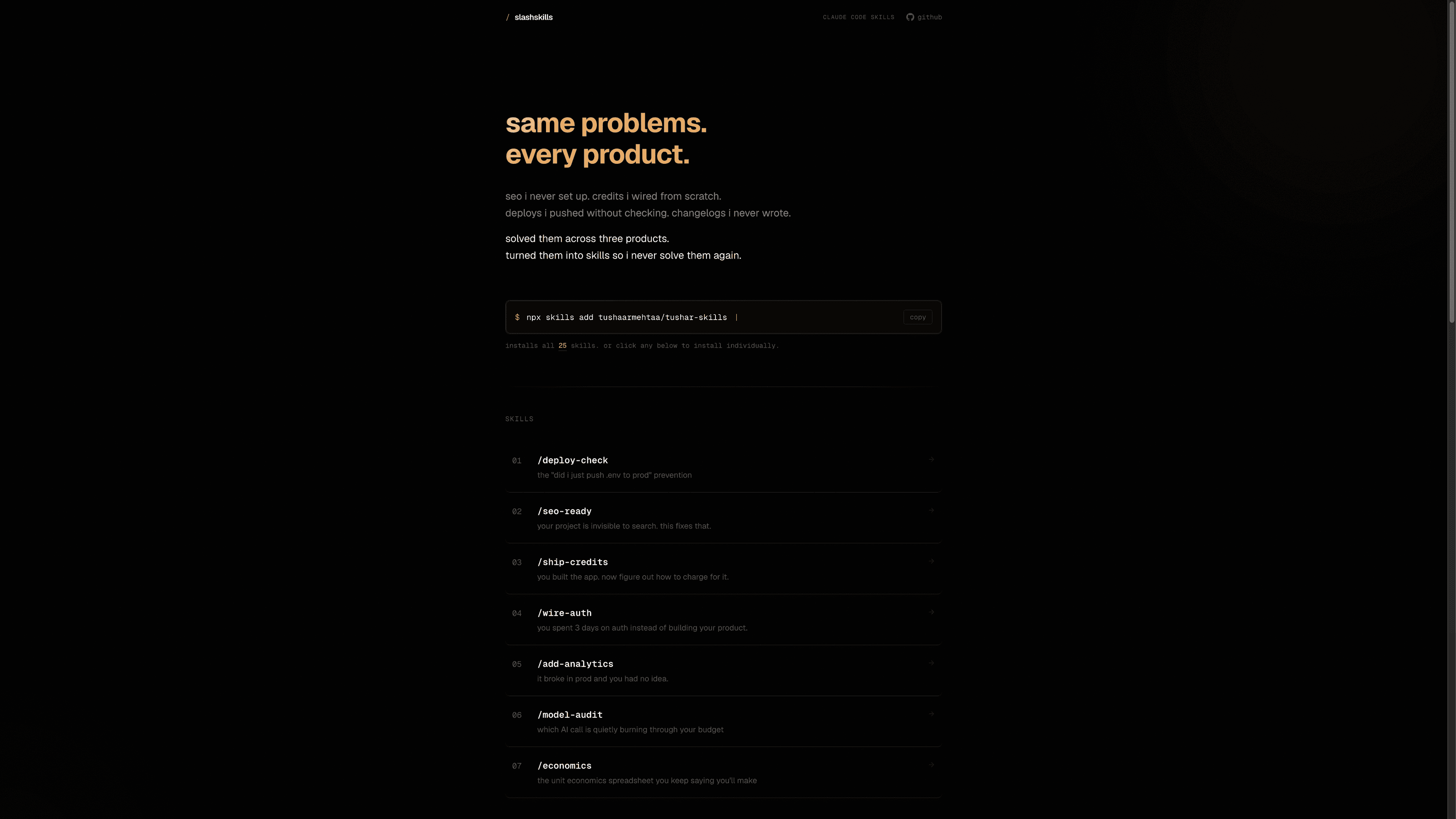
do it by hand.
know the process cold.
let AI run it.
that's it. the skill isn't the AI. the skill is the articulation. once you have that, the AI is just fast labor.
start here